Best AI Social Media Post Generators in 2026: How to Choose the Right Tool for Your Target Audience
Creating consistent, high-quality social media content is a big challenge for marketing teams. Between multiple platforms, changing formats, and rising expectations around visual quality, the pressure to publish regularly is high.

That’s where AI social media post generators come into play. But with so many tools and design platforms on the market, choosing the right one isn’t always straightforward.
This guide talks about AI-powered social media tools in 2026, compares popular options and explains how your target audience should shape your social media images.
What Is an AI Social Media Post Generator and what is the best one?
An AI social media post generator is a tool that helps marketers, creators, and businesses produce social media content using artificial intelligence.
For a solo creator, a lightweight description text generator may be enough. For a brand publishing daily across platforms, the requirements are very different. Understanding those differences is far more important than chasing feature lists.
To make sense of the ecosystem, it helps to group tools into categories rather than rank them outright.
Canva
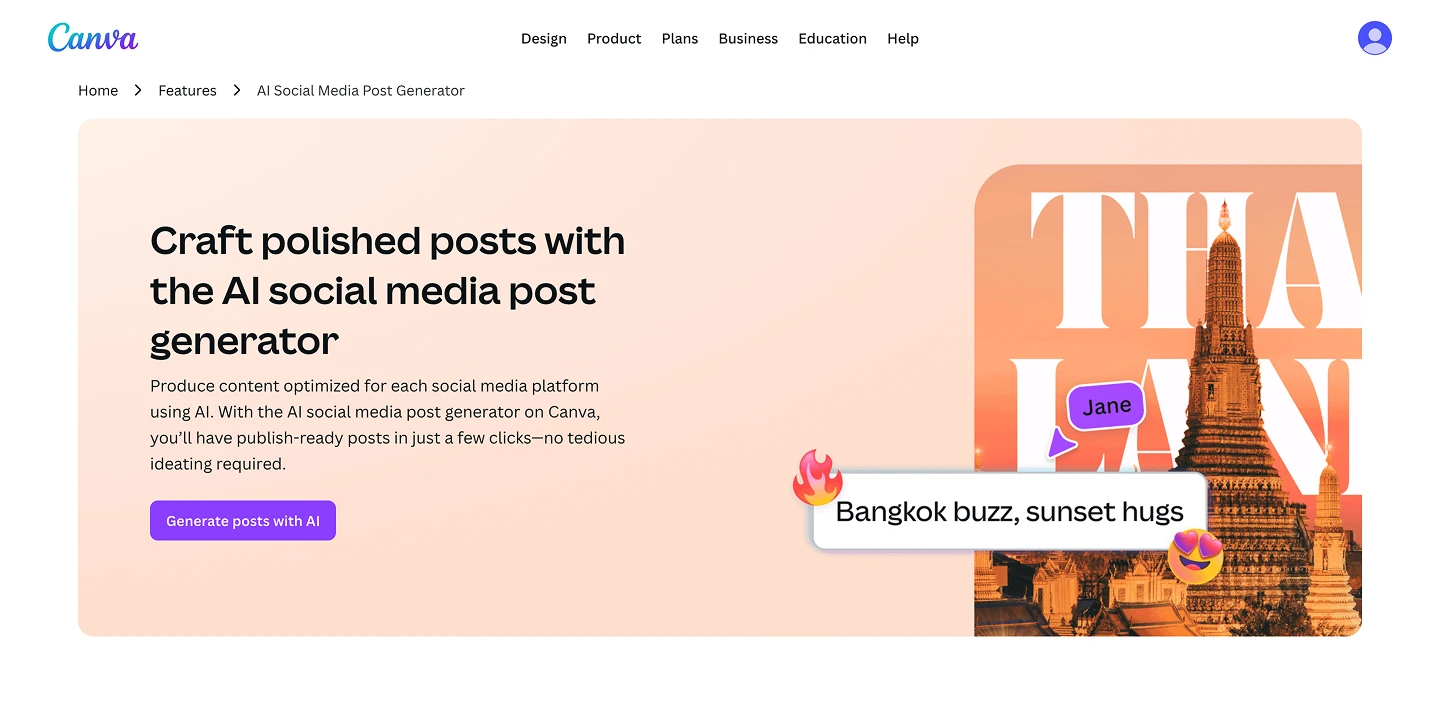
Canva is often the first stop for teams looking to speed up social media design. Its AI features assist with layouts, visual suggestions, and content resizing, making it easy to produce polished graphics. Canva works well for:
- Small teams and creators
- Template-driven workflows
- Brands that want flexibility and manual control
💡 However, Canva still relies heavily on user input and design decisions, which can become a bottleneck at scale.
Adobe Express
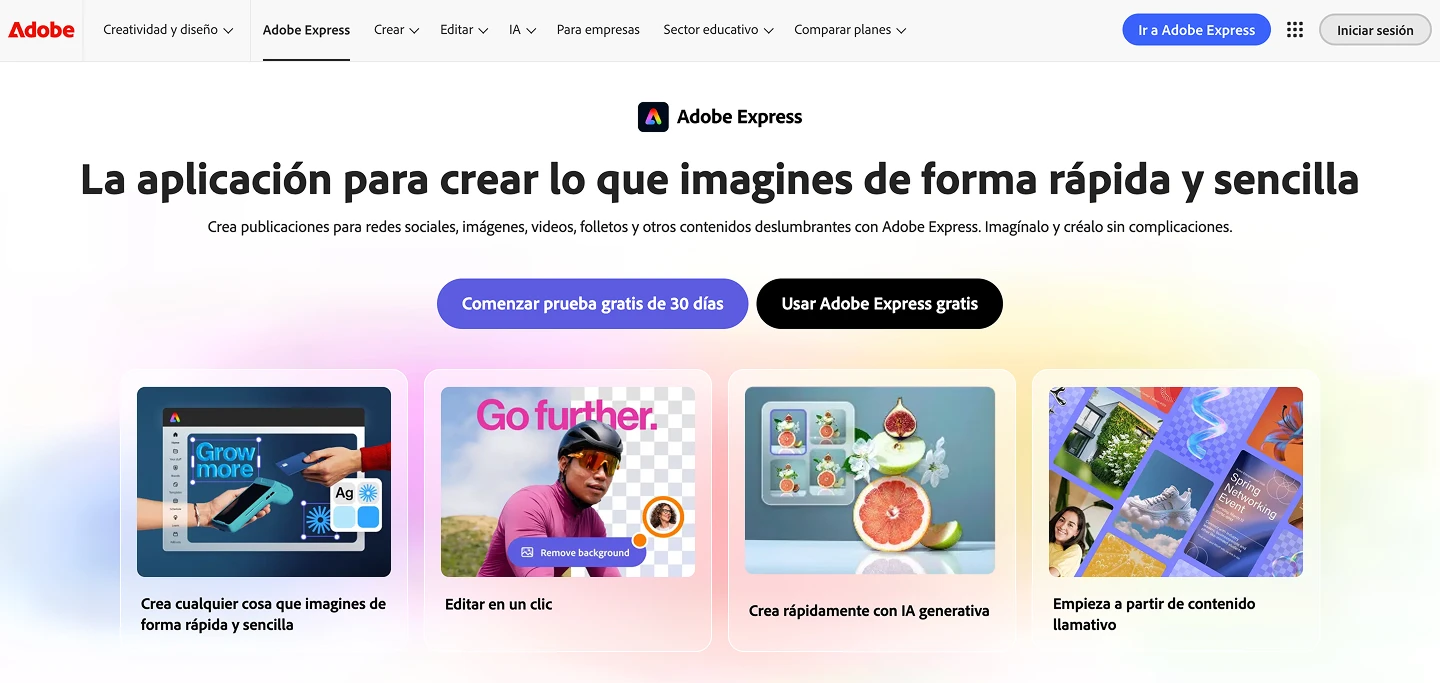
Adobe Express brings AI-assisted creation into the Adobe ecosystem. It’s powerful, visually robust, and integrates well with other Adobe tools. Is a strong option for:
- Creative teams with design experience
- Brands with established visual systems
- Users who want advanced customization
💡 That said, it often feels closer to a design tool with AI support than a purpose-built social media generator.
Artificial Studio AI Social Media Post Generators
A newer category of tools is emerging that focuses specifically on generating ready-to-publish social media posts, combining intent, tone, and visual style in one flow. This approach reduces the gap between ideation and publishing, especially for teams that need consistency at scale rather than one-off designs. Platforms like Artificial Studio fall into this broader category.
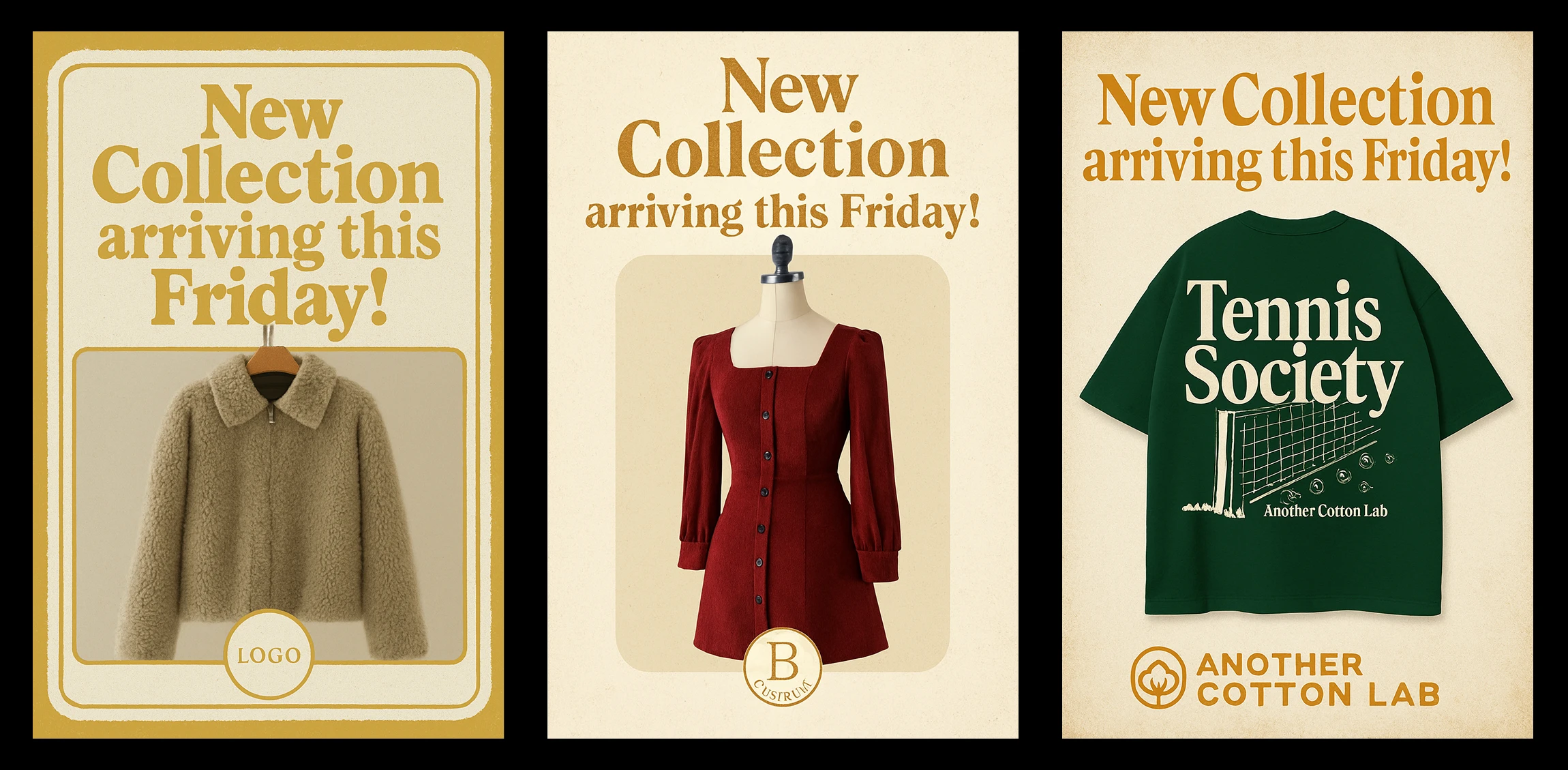
A tool that works perfectly for one audience may feel limiting or overly complex for another. The best choice aligns with how close your output needs to be to “publish-ready” content.
When general design tools fall short for social media at scale
General-purpose design platforms are excellent for flexibility, but they often struggle with one thing: volume.
Some AI tools are designed specifically around social media workflows, generating complete visuals based on post intent, message type, and visual style — rather than treating copy and design as separate steps.
For teams exploring this category, platforms like Artificial Studio’s social media post generator illustrate how AI can reduce the gap between ideation and publish-ready content.
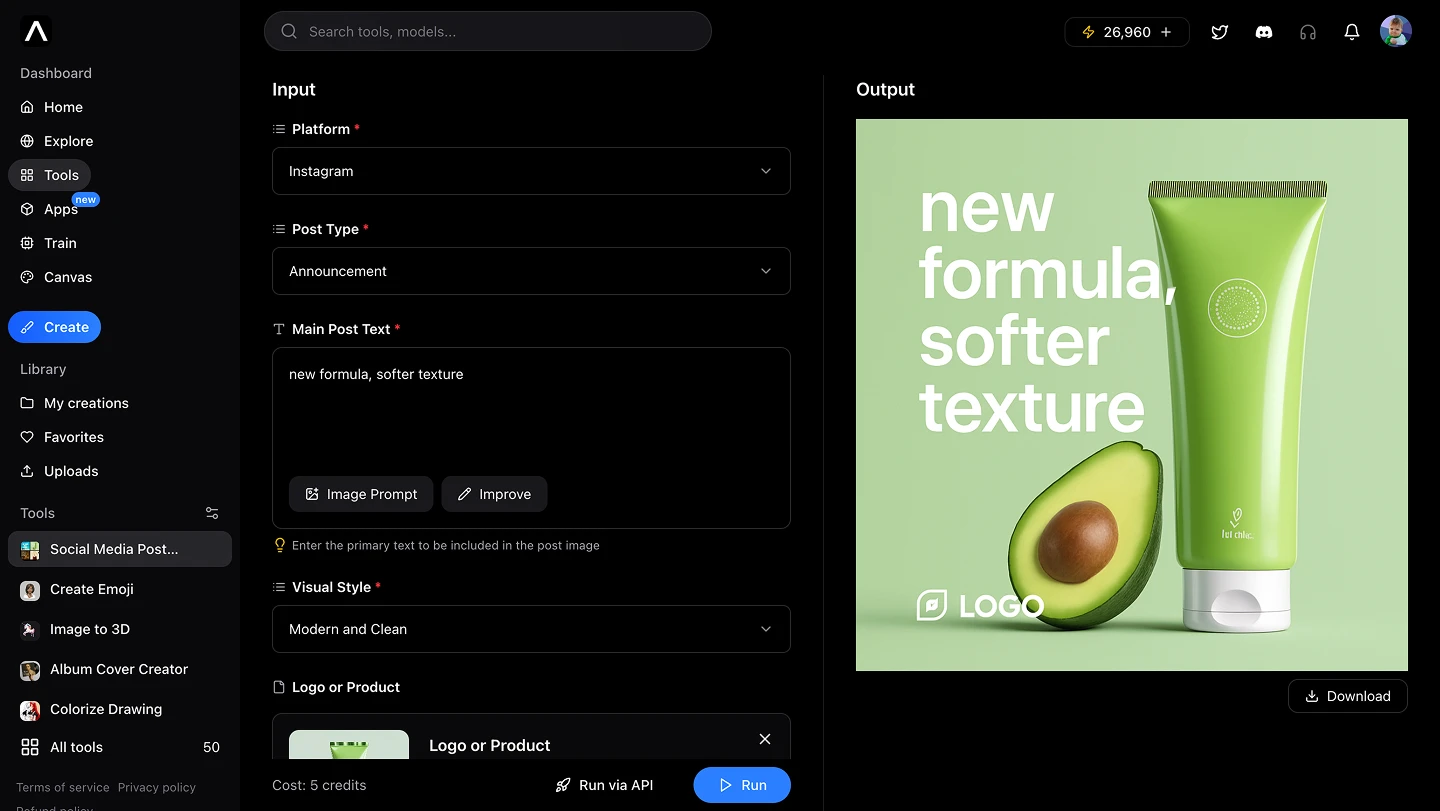
As posting frequency increases, the cost of manual decisions — choosing layouts, adjusting copy, aligning visuals with intent — adds up quickly. This is where specialized AI tools designed specifically for social media workflows begin to stand out.
Instead of asking users to design from scratch, these tools focus on why a post exists (informational, promotional, inspirational) and generate visuals accordingly.
Choosing the Right AI Tool for Your Social Media Strategy
The rise of AI social media post generators isn’t about replacing creativity — it’s about removing friction.
Whether you choose a flexible design platform, a caption-focused assistant, or a more specialized generator depends on your audience, your workflow, and your content goals. The most effective tools are those that understand context, not just prompts.
For teams evaluating their options, the real question isn’t which tool has the most features, but which one aligns best with how they actually create and publish content.