
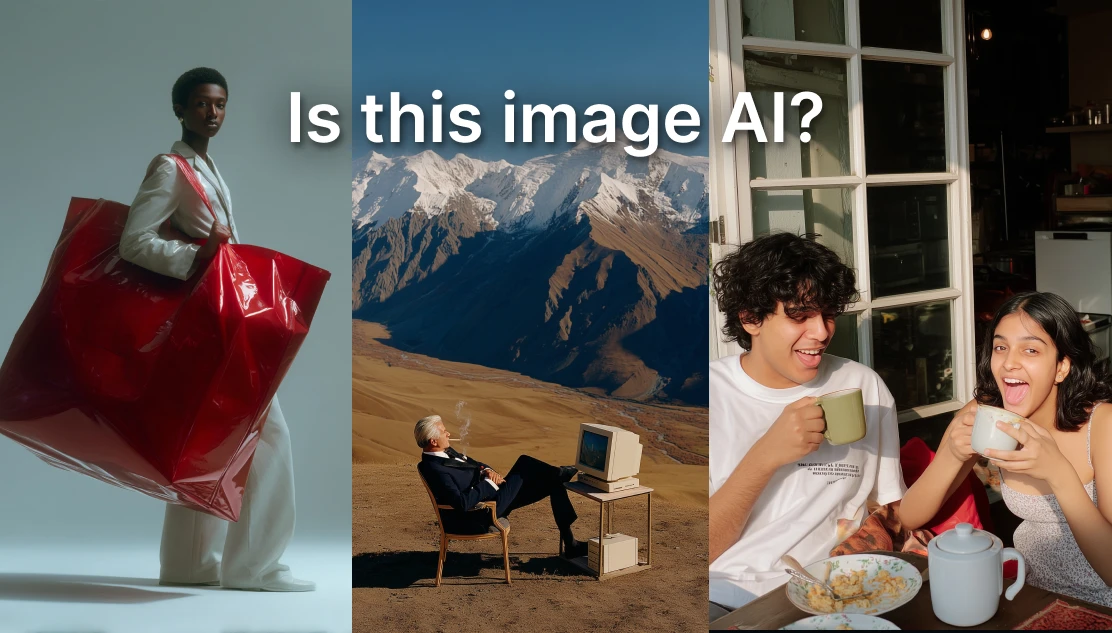
In 2026, it is critically important to begin developing literacy around personal bias. Ask yourself explicitly: “Do I believe this because it aligns with my ideology, my fears, or my desires?” AI is extremely effective at exploiting human cognitive biases. The more emotionally satisfying an image is, the more cautious you should be.
We want to share six tips to help you feel less afraid when browsing the internet and coming across AI-generated images and videos.
You need to investigate the event.
If something doesn’t add up, Google it. Read about the event, check Wikipedia, ask other AI systems, and look in Google News to see whether this was being reported days earlier. Take your time to connect the dots.
Search for the image or a video frame on Google.
Perform a reverse image search using tools like Google Images or Bing. These allow you to upload an image or paste a video frame to see if it has appeared online before, when it first appeared, and in what context. This type of search often reveals whether the content is recycled, edited, or entirely AI-generated and fake.

Analyze the details.
Focus your attention on a single detail throughout the video. If it’s an image, examine it down to the smallest detail; if it’s a video, stare on something specific: a shadow, fingers, reflections, text, or repeated patterns in clothing. You may notice that at some point something doesn’t quite align, or that (even if the generation looks perfect) what’s happening violates the laws of physics.
Use your common sense.
Some people argue that common sense doesn’t exist, that each person and culture creates its own. That may be true, but it’s also true that the kind of common sense needed to judge whether something is real can be learned. Ask yourself: does it make sense that something like this is happening? That this strange or unsettling moment is being recorded? You’ll need to set aside what you want to be true or expect to be true and evaluate whether it actually makes sense. This is difficult, but it’s a skill that improves with practice.
Context and the source of the image.
Real images and videos often leave a trail: credits, an identifiable author, prior context, or similar versions of the same event. You might find the original published by a reputable media outlet, a social media creator you trust, or, alternatively, discover that it comes from an anonymous account. A complete lack of context can be a strong indicator of AI.
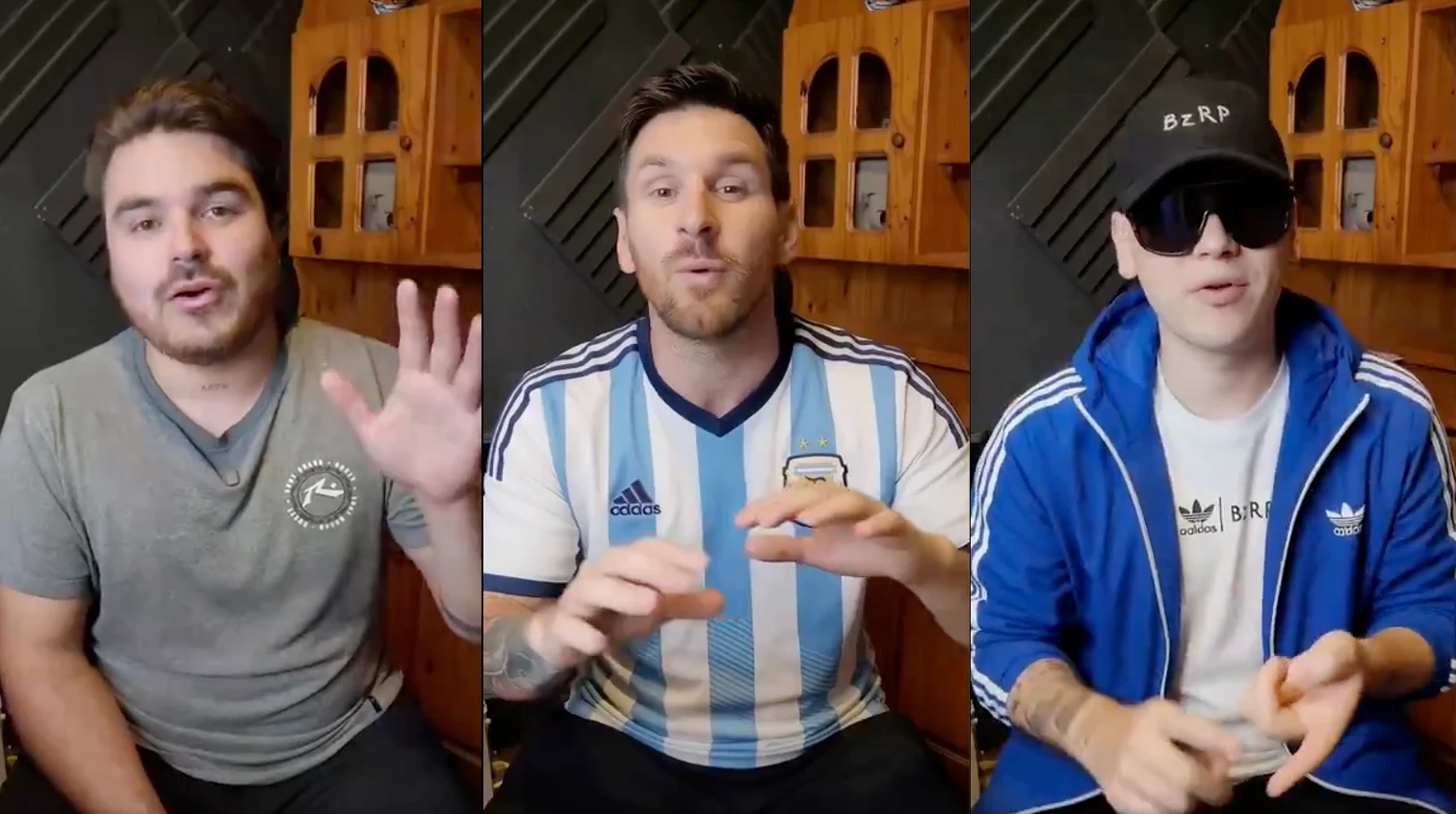
Temporal consistency.
AI-generated images sometimes fail when compared with the real state of the world at that specific moment. You may see people who are already deceased appearing in current events, clothing that is slightly out of trend for the year in which the event supposedly occurred, or objects and technologies that were not yet available at that time or in that part of the world.
Even so, all of this can still fail, and you can still be fooled. It could happen to any of us. None of these tips guarantee that you won’t be deceived. AI improves at an extraordinary pace every day, and soon we may no longer be able to tell—if that isn’t already the case.
That said, AI is not only used for scams and fake videos. It can also be used to create incredible art, such as the visuals Madonna created for her latest tour with the help of Runway. You shouldn’t fear AI replacing you as a creator. You should learn how to collaborate with AI to survive in the new labor market that’s coming: from fearing AI to embracing it as a creative partner.