GPT Image 2 is live on Artificial Studio — and the text-in-images problem is over
GPT Image 2 is now live on Artificial Studio. Generate and edit images with near-perfect text, fine-grained edits, and twice the speed of before.
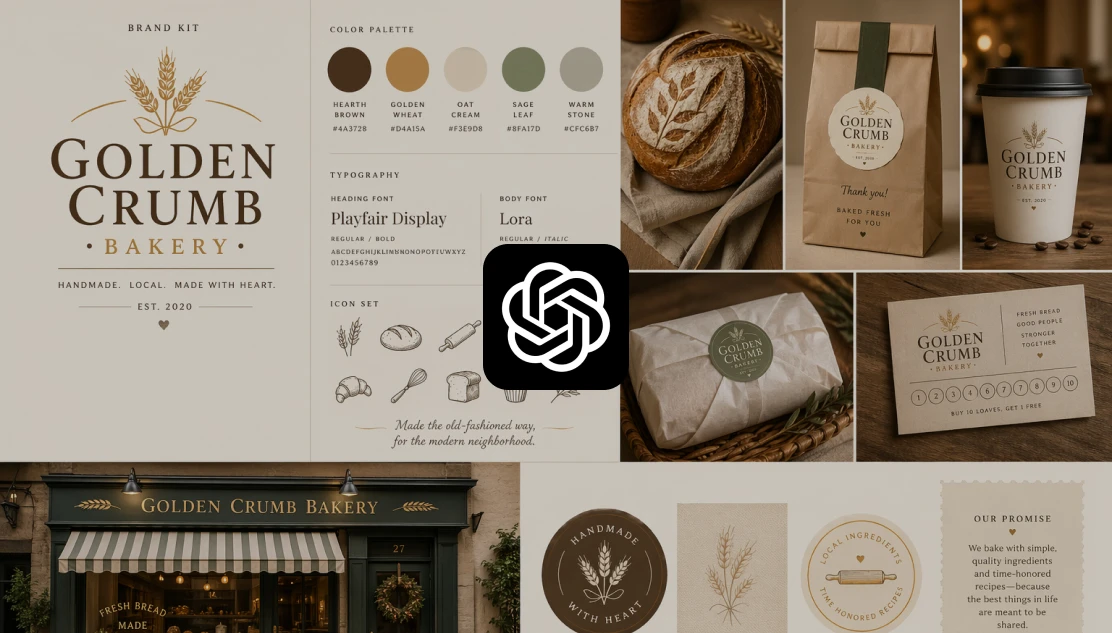
Every image model for the last three years had the same blind spot. It couldn't spell the word "sunset" on a billboard.
On April 21, OpenAI shipped GPT Image 2, and the blind spot closed.
It's already live on Artificial Studio. For generation from scratch, it's running in Create Image. For edits on an asset you already have — a photo, a previous generation, a client file — it's in Edit Image.
You can create Brand kits for brainstorming!
Ask the model to generate a full brand kit for a fictional business. Logo, packaging, icons, social templates, business cards — all in a single prompt. What comes back is coherent. The logo on the box matches the logo on the card. The color palette holds across every asset. The typography stays consistent. The whole system looks designed!
Prompt: Now create a brand kit for a cozy neighborhood bakery called “Golden Crumb Bakery,” in a warm, elegant, artisanal style. Use a rustic yet refined visual identity, inspired by traditional local bakeries. Include a classic serif logo, wheat-inspired iconography, earthy and creamy tones, a clean brand board layout, packaging mockups, storefront signage, simple hand-drawn bakery icons, and a friendly, nostalgic atmosphere that feels homemade, trustworthy, and timeless.
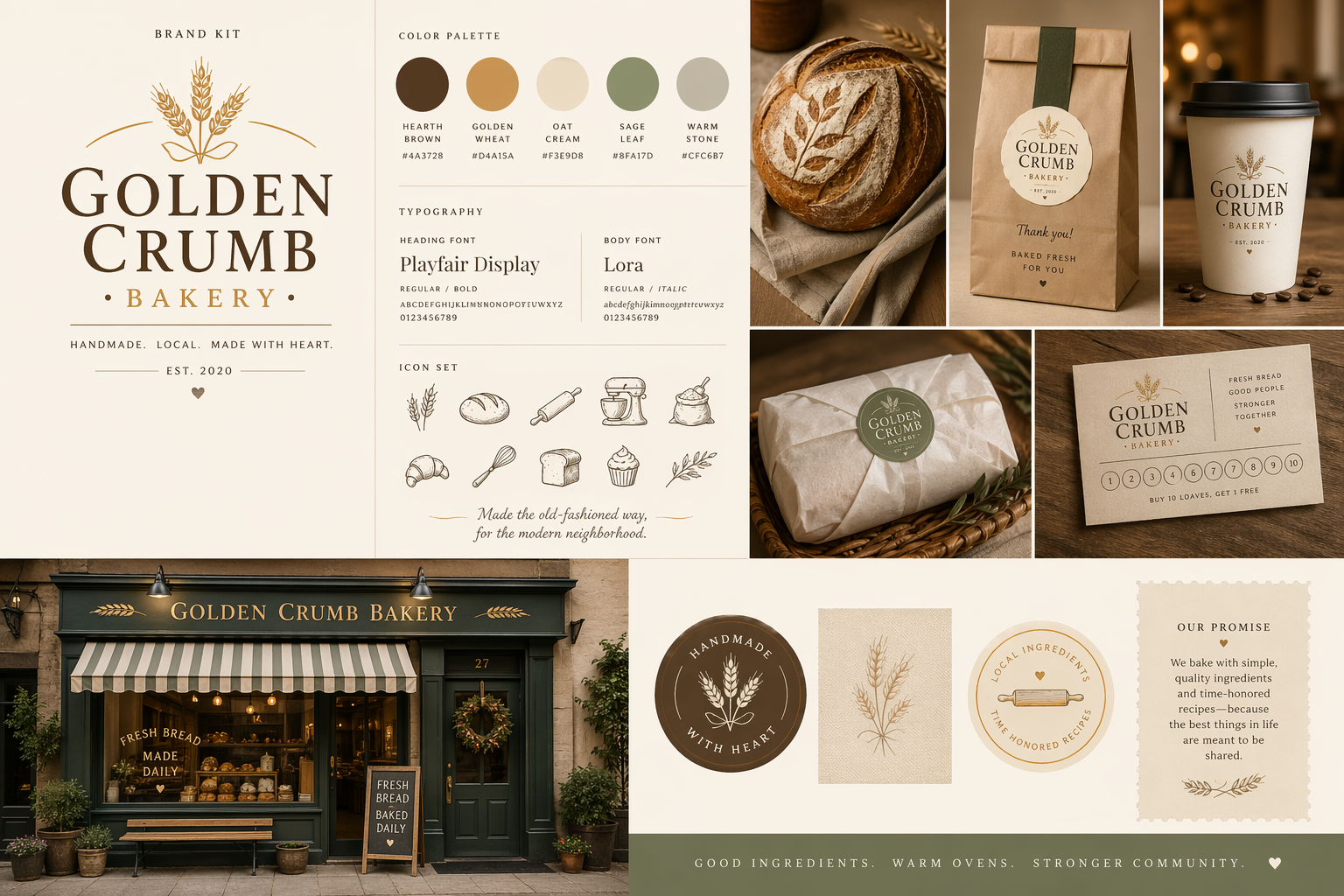
This is the part making designers nervous and marketers curious. A brand identity system used to be a two-week engagement. It's now a prompt and a refinement pass.
**It's not a replacement for a senior designer thinking through positioning, audience, and voice. What it replaces is the execution labor **— the ten moodboard directions before the client picks one, the three logo variations before the strategy locks in, the first draft of the packaging before the photographer is booked. The parts that used to eat the budget.
Text inside images is no longer broken
OpenAI claims GPT Image 2 hits 99% accuracy on standard typography benchmarks. Benchmarks deserve a little skepticism, but the outputs back the number up. Small text, icons, UI elements, headline typography, dense editorial compositions — the things every previous model destroyed are now the things this model renders cleanly.
TechCrunch's launch-day headline called it "surprisingly good at generating text." The "surprising" part matters. Every model before this was surprisingly bad.
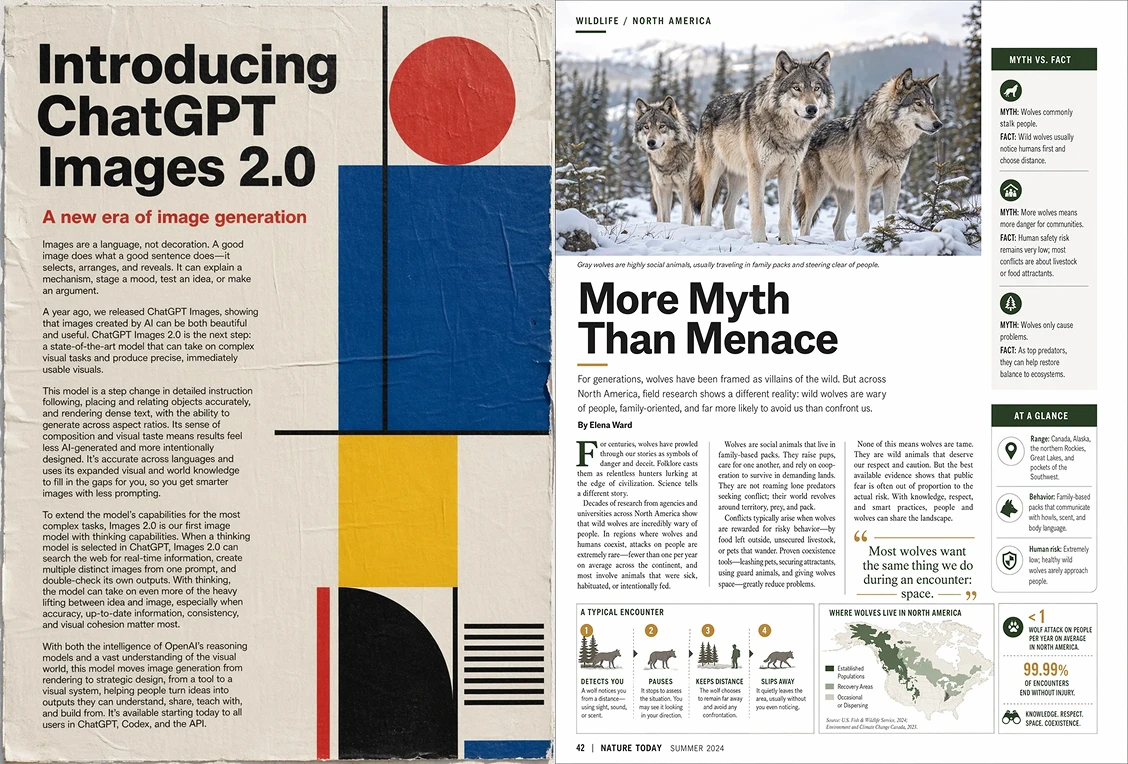
In practice: magazine covers that read like magazine covers. Packaging with legible ingredient lists. Social graphics with real copy rendered, not a blurred approximation of what the copy should look like. Posters ready to send to print without a round trip through Photoshop.
Fine-grained edits, not destructive rewrites
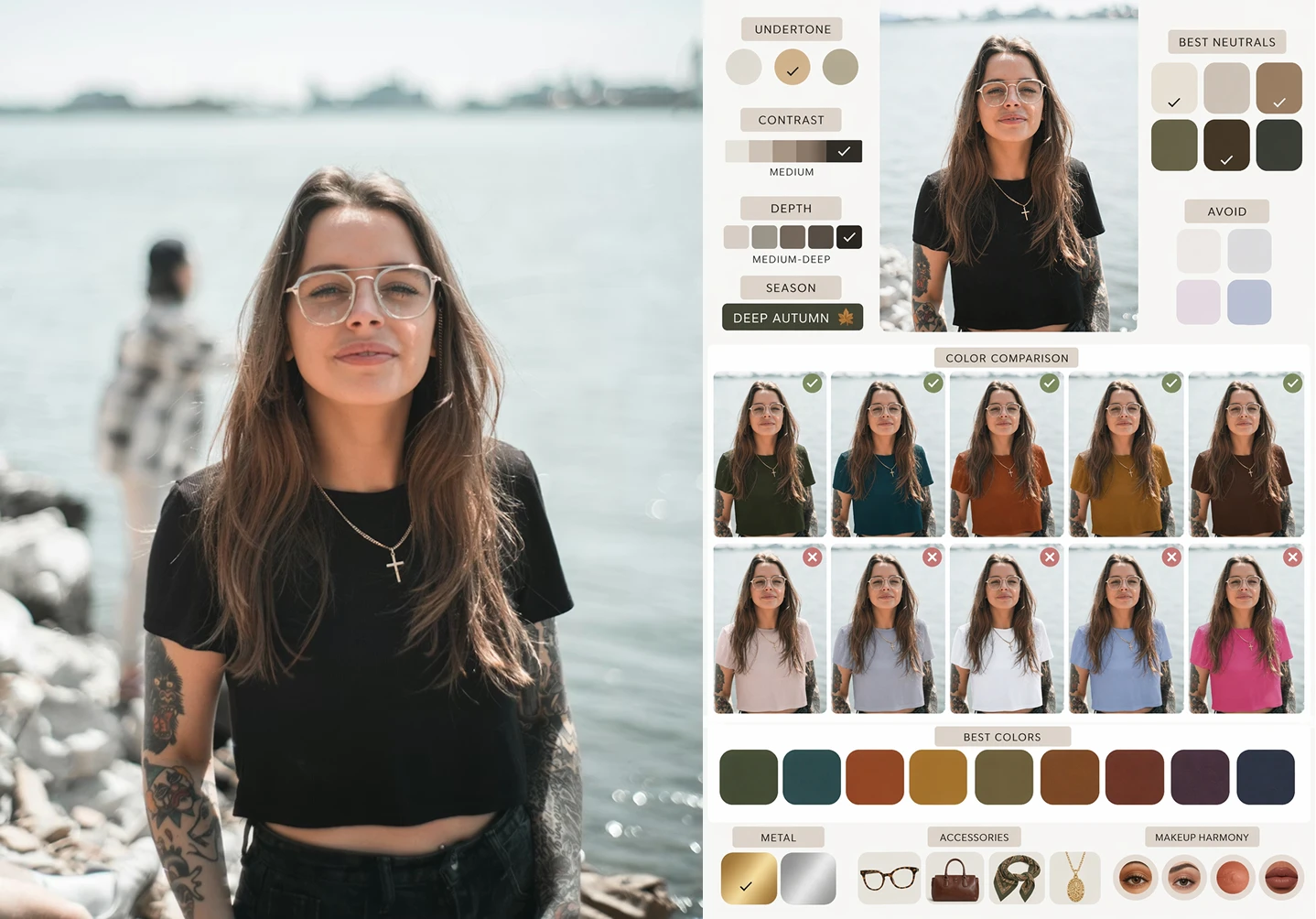
The second big jump is in editing. The model can make targeted changes to an existing image without rewriting the whole composition. Swap a word. Change the color on one element. Move a shadow. Reframe a background detail. The rest of the image stays put.
This is the difference between a tool you use to explore and a tool you can ship with. When a client asks you to move the logo three inches left and warm up the background, you do that edit. You don't regenerate the whole image and lose the parts that worked the first time.
Prompt: Using this portrait, create a diagram-first personal color analysis. Show which clothing colors suit the subject through visual comparison. Keep text minimal and avoid paragraphs.
Actually multilingual
Previous models handled Latin scripts passably and everything else badly. GPT Image 2 renders Japanese, Korean, Chinese, Hindi, and Bengali at the same quality as English.
For anyone designing across markets, this removes a persistent workflow tax. A campaign for Tokyo no longer needs a separate pipeline from a campaign for Madrid. Localized assets get generated in the same pass as the original language version, with the same aesthetic treatment and the same typographic quality.
About twice as fast
The model runs at roughly twice the speed of its predecessor. Speed compounds in creative work. Twice as fast means twice as many iterations in the same window — more variants before you lock the direction, more directions before you brief the client, more finished options before the deadline.
For anyone billing hours or producing at volume, that's not a footnote. That's the difference between three client revisions and six.
What to do with this
If you make images for clients, test it on your next brief. Specifically, try the work that broke on older models. Typography-heavy designs. Non-English copy. Packaging with fine detail. See what lands and what doesn't.
If you make images at volume — social, ecommerce, catalog, ad creative — run the same prompt you ran last month through the new model and look at the gap. Then look at how long it took.
If you've been waiting for an image model to be usable for editorial or branding work, the wait is over. This is the one.
Building it into your own product
For teams integrating image generation into their own products, client platforms, or internal tools, GPT Image 2 is also available through the Artificial Studio API — alongside the other 60+ models on the platform, under one contract and one pricing structure. One integration covers generation, editing, video, audio, and 3D.